Sports cars can take many forms depending on how one defines it. Some express and materialize the essence of a sports car through sleek design, others through engineering enhancements to the powertrain, suspension geometry, brakes, and aerodynamics. Still others heighten the driving experience by stripping away unnecessary weight and features. If there were a Venn diagram with these three traits, most sports cars would fall somewhere between the overlaps. Car enthusiasts and even some casual drivers define sports cars differently, and thanks to a thriving market, we have no shortage of options to pick a favorite for spirited backroad driving or track use.
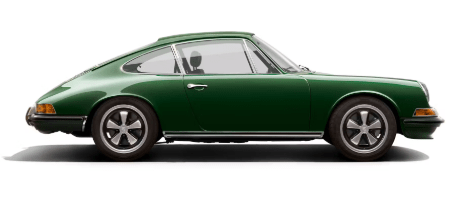
My favorite sports car is the Porsche 911. While that may seem like an obvious choice, considering its countless “best driver’s car” awards and racing pedigree, it’s more than just its accolades that draw me in. Beyond its motorsport legacy and historical significance, I admire the 911 because it is one of the best automotive expressions of the human condition.
The Porsche 911 famously “shouldn’t work” as a sports car. With the engine mounted behind the rear axle, early models were prone to positive body pitch under hard acceleration in a straight line, reducing the load on the front tires and consequently steering feel, as well as instability under lift-off during high-speed cornering. Lift-off oversteer was a notorious trait for those without much experience or prior tutelage about driving a 911, particularly in the older air-cooled models lacking modern stability control. Opinions and subjective evaluations about the vehicle’s handling metrics considering the lift-off oversteer were strong on both sides of the fence. Some found it intimidating to drive in case the driver loses grip and control, hurling the vehicle towards a tree while others took advantage of the instability to improve one’s driving techniques, make smooth powerslides, or find new racing lines on track days to reduce time. Add in the increasing prices to own one of these machines as we progressed through the latter half of the 20th century, the Porsche 911 lineage seemed to be at an end. But thanks to Peter Schutz and the Porsche engineering team, the 911 lived on. It survived through the Cold War, financial crises and bubble-burst economies. Through decades of development, Porsche turned a flawed concept into a benchmark for sports car performance. The 911 has mastered the dual role of daily driver and precision driving machine. Ergonomic and livable, yet highly capable when pushed to the limit. With a wide range of trims, it serves everyone from commuters to racers and even off-road adventurers.
But what makes the 911 special to me is that it represents perseverance and continuous improvement through and despite of its imperfections. Like people, it was born with disadvantages but it didn’t let that define it. Instead, it has continually improved through thoughtful iteration. Just as we humans strive to overcome our limitations , the 911 has grown by refining its flaws, not discarding them.


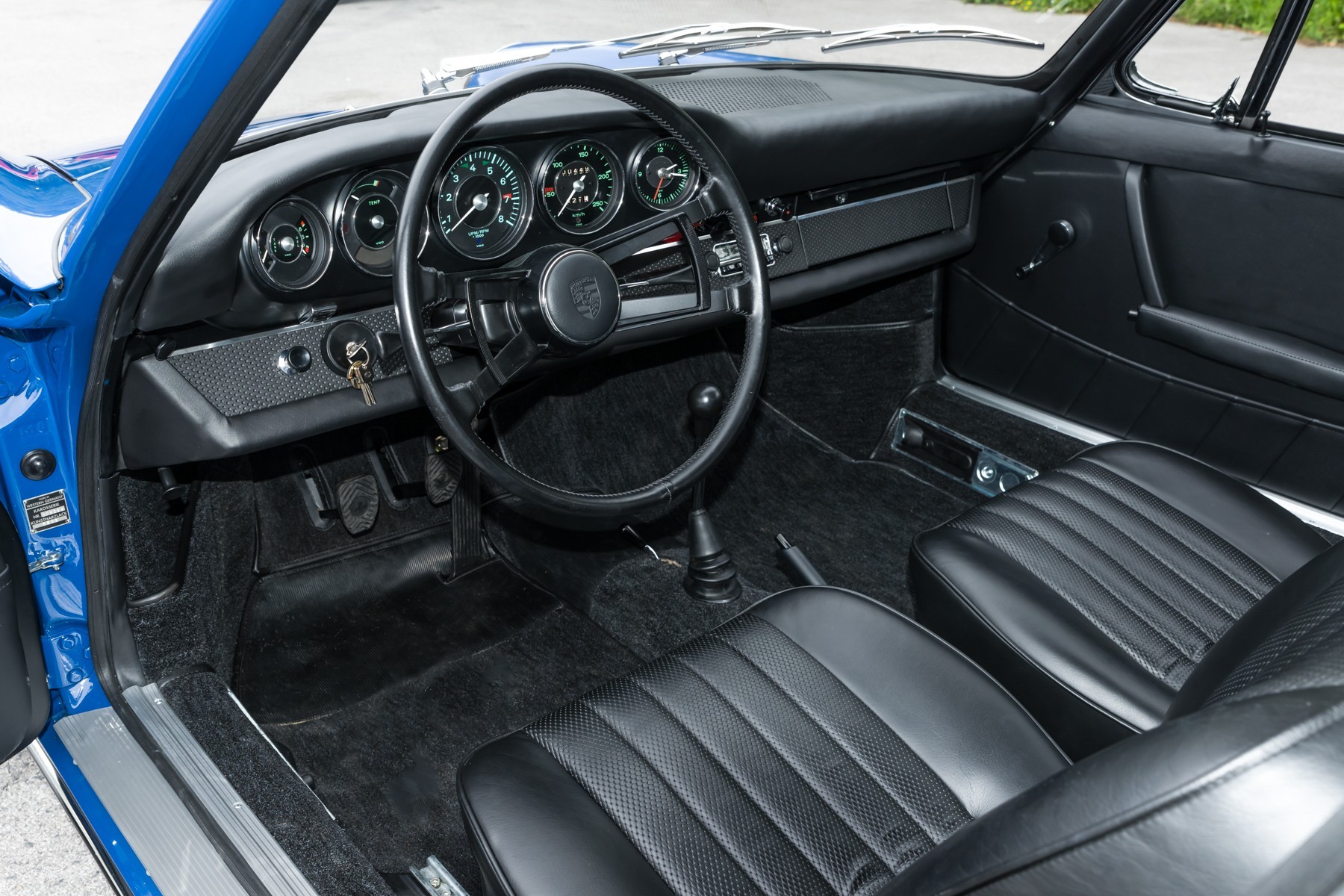
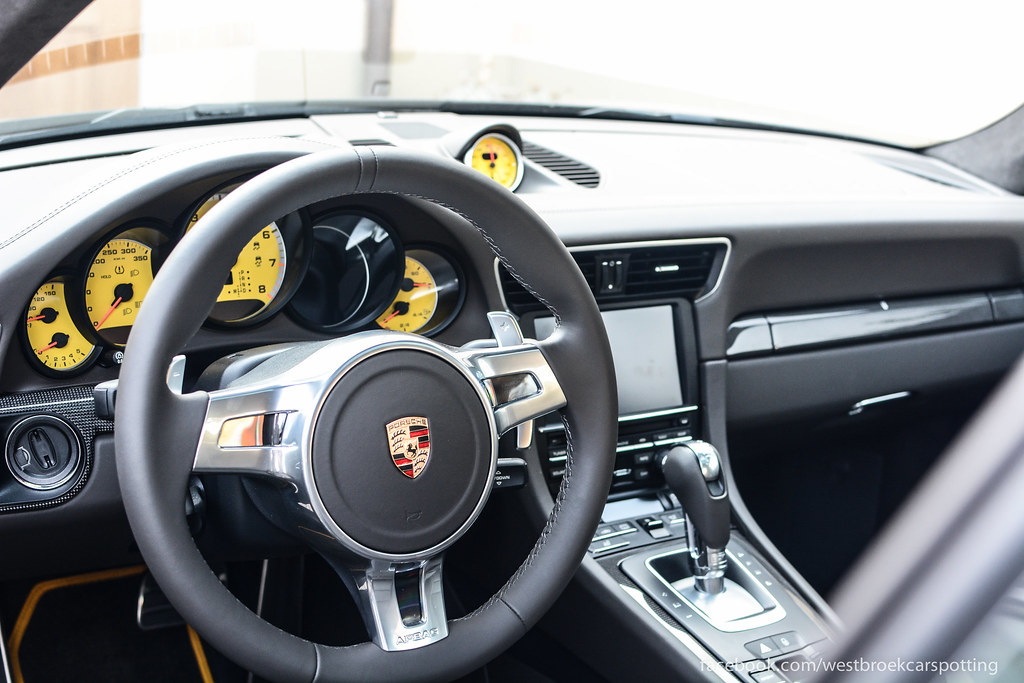

Even the interior stays grounded in tradition with the five-dial dashboard with the tachometer in the middle and the ignition to the side of the steering wheel closer to the door. While competitors succumb to digital overload, the 911 still feels analog, familiar, and purpose-built.
Consider this: over the decades, BMW’s M3 has gained horsepower in dramatic leaps, while the 911’s power curve has climbed more gradually. In contrast, the 911 feels like a continuation. Each generation evolves from the last without losing its core character.

Based on the graph above, we can see that the M3 has gained 287[hp] since its conception whereas the 911 gained nearly 100[hp] less over the same timeframe. It can be seen that with each new generation of M3, the horsepower increases are much higher than for each generation of the 911 for many reasons – increase in weight and cylinder count when the E9X M3 debuted, or optional AWD for the G90 series to appeal to more customers and to increase daily usability. Porsche has been doing the same thing with the 911 and its other models but even so, the smaller incremental horsepower gains indicate that with each generation of 911, Porsche has not been solely focusing on adding more power to justify the potential detractors such as increased weight, aesthetically challenging design cues or a ridiculous price tag but rather, maintaining the “911 driving experience” with each new model generation.
It’s as if there is a certain ratio called the “Porsche 911 Driving Index” that utilizes a boatload of vehicle dimensions, performance characteristics, and dynamics to calibrate each new generation of 911 to share the similar, if not same, driving sensations from the previous generations. What vessel birthed with faults that once seemed to be defined as the Achilles heel of its intended purpose, has become and hopefully will continue to be the main source of its identity and strength over time through continuous improvement.
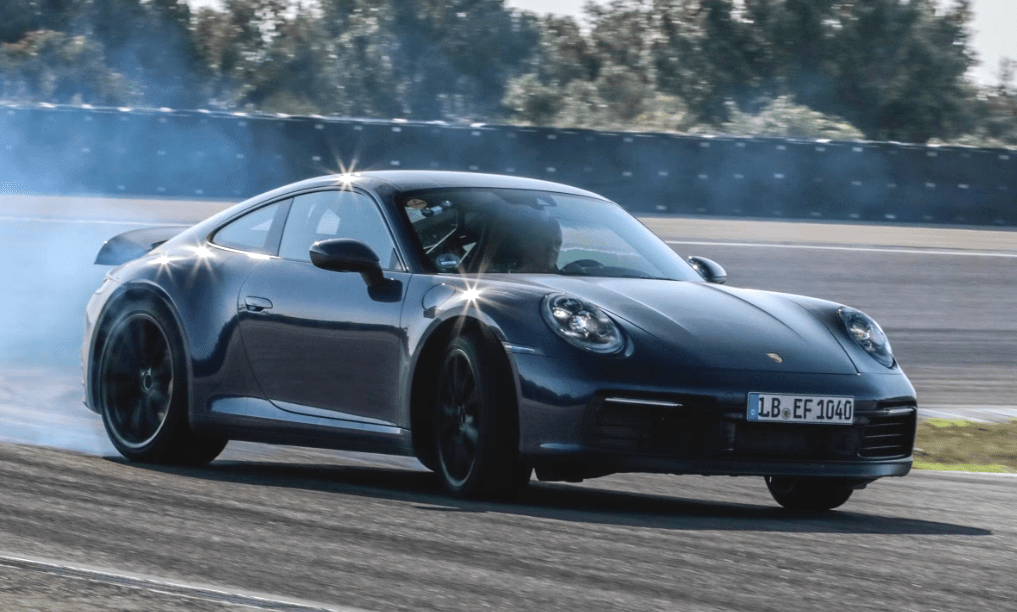
Similarly, some of us may be born with quirks that we may call “faults” that were once used to get picked on or become embarrassed by. But are we going to let those “faults” get in our way of achieving greatness? If we can find a way to use our quirks to enhance our strengths and character to walk one step closer towards our own understandings of greatness, anyone with ambition can achieve them.


 Wookjin (Gabriel) Eum's Website